
LUNIGIANA SELVAGGIA, le vie dell'acqua - 1 x 52'
Tra le pieghe meno conosciute dell’Appennino Tosco-Emiliano, in Italia, dove la Toscana incontra la Liguria, esiste un territorio in cui la natura sembra aver ripreso il sopravvento.
È la Lunigiana storica, una terra per molti aspetti ancora selvaggia.
Sospinte dai venti, le nuvole si addensano sopra le montagne dissolvendosi in pioggia e ogni goccia che cade dà origine a un viaggio.
L’acqua scorre tra rocce e dirupi, creando ambienti estremi dove solo le specie più resistenti possono sopravvivere: pesci che risalgono controcorrente, uccelli che si tuffano tra le rapide, minuscoli organismi che si aggrappano alla pietra per non essere trascinati via.
Poi i torrenti rallentano, penetrano nei boschi di latifoglie e trasformano il paesaggio in un sistema complesso di relazioni.
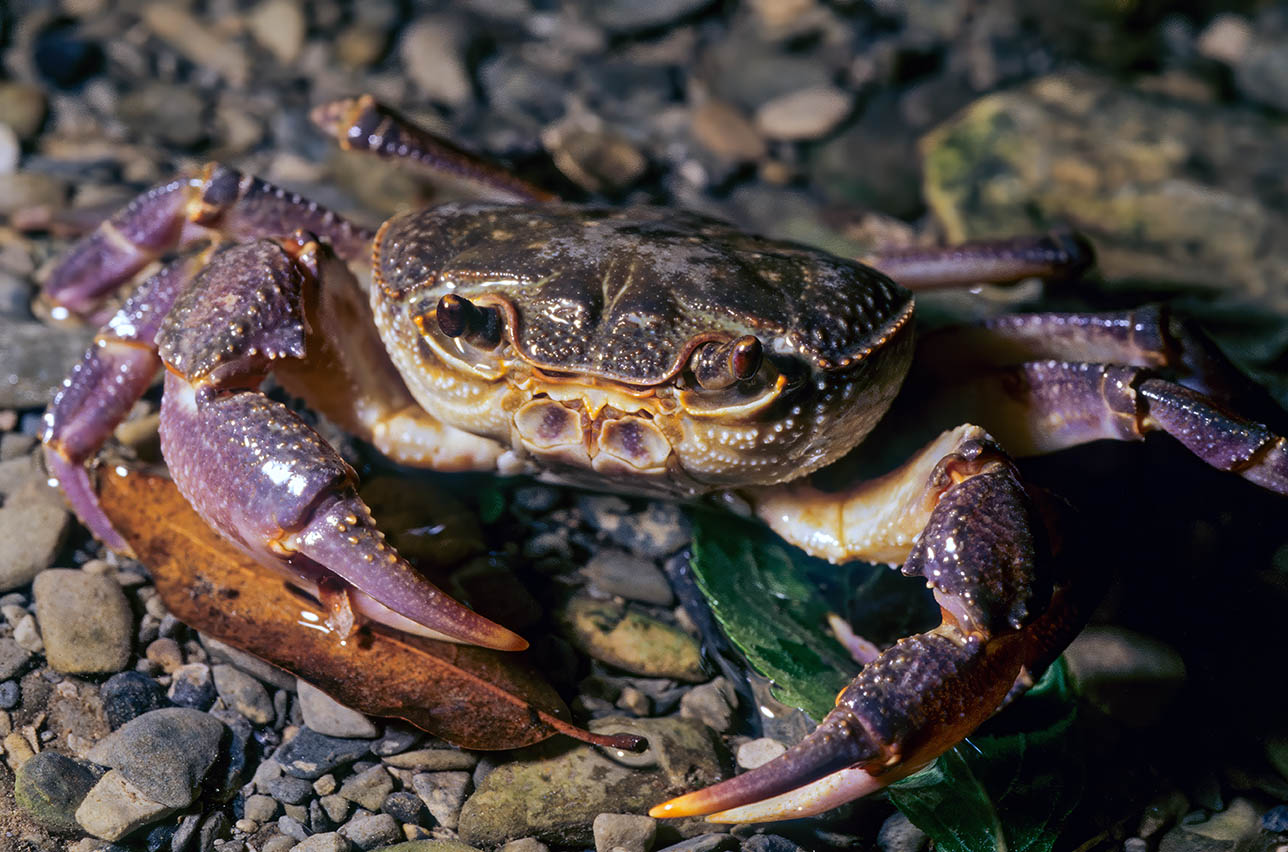
Seguendo il corso dell’acqua fino ai fondovalle, dove la corrente si placa e il paesaggio si apre, il viaggio incontra un’altra storia. Dalle acque del mare, risalgono i fiume creature antiche, testimoni di un tempo remoto.
Spinte da un istinto primordiale, affrontano la corrente per raggiungere i luoghi dove deporre le uova e dove il loro viaggio termina per sempre.
È un ritorno che unisce in un’unica storia mare e montagna, passato e presente; una storia in cui nulla è immobile, ma tutto scorre.
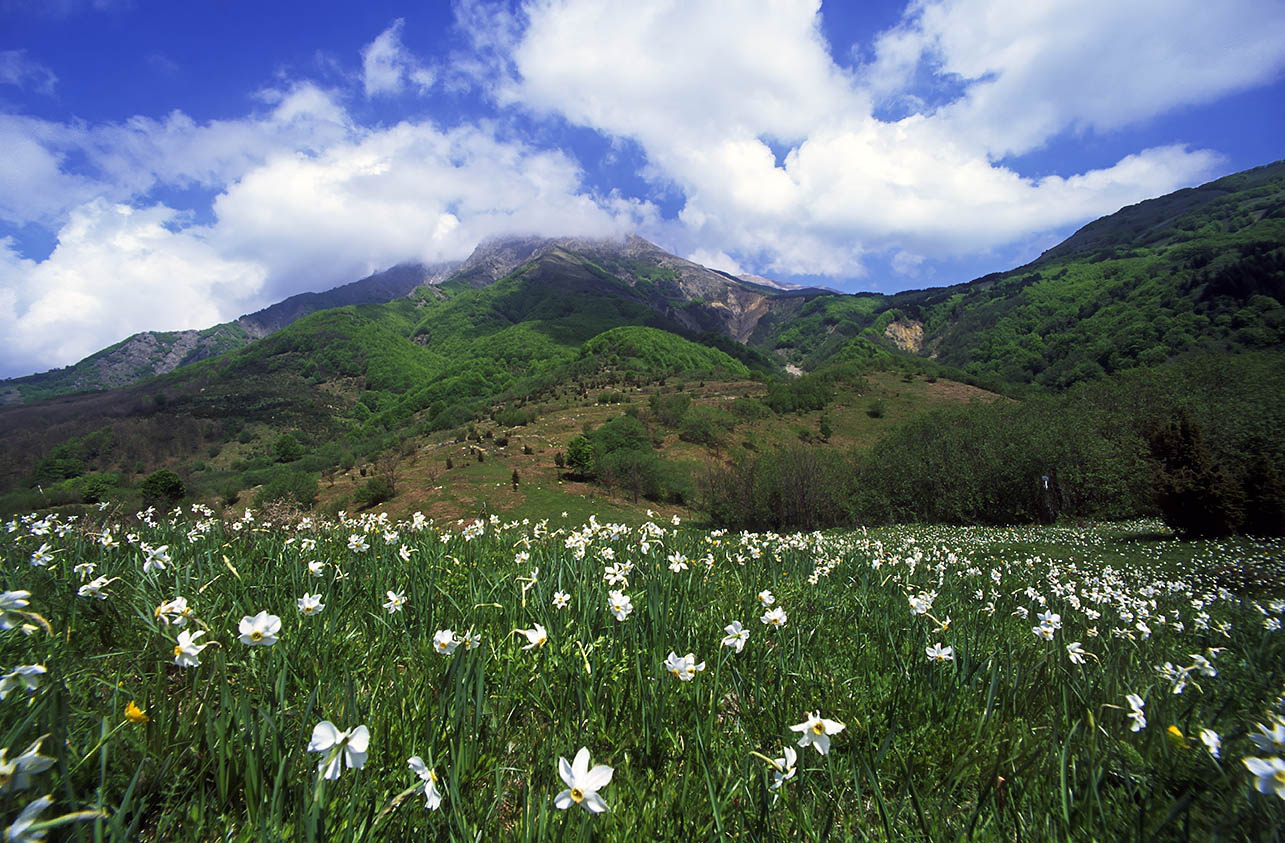
Tra le pieghe meno conosciute dell’Appennino Tosco-Emiliano, in Italia, dove la Toscana incontra la Liguria, esiste un territorio in cui la natura sembra aver ripreso il sopravvento.
È la Lunigiana storica, una terra per molti aspetti ancora selvaggia.
Sospinte dai venti, le nuvole si addensano sopra le montagne dissolvendosi in pioggia e ogni goccia che cade dà origine a un viaggio.
L’acqua scorre tra rocce e dirupi, creando ambienti estremi dove solo le specie più resistenti possono sopravvivere: pesci che risalgono controcorrente, uccelli che si tuffano tra le rapide, minuscoli organismi che si aggrappano alla pietra per non essere trascinati via.
Poi i torrenti rallentano, penetrano nei boschi di latifoglie e trasformano il paesaggio in un sistema complesso di relazioni.
Seguendo il corso dell’acqua fino ai fondovalle, dove la corrente si placa e il paesaggio si apre, il viaggio incontra un’altra storia. Dalle acque del mare, risalgono i fiume creature antiche, testimoni di un tempo remoto.
Spinte da un istinto primordiale, affrontano la corrente per raggiungere i luoghi dove deporre le uova e dove il loro viaggio termina per sempre.
È un ritorno che unisce in un’unica storia mare e montagna, passato e presente; una storia in cui nulla è immobile, ma tutto scorre.
WILD LUNIGIANA, the paths of water - 1 x 52'
In one of the least-known corners of Italy's Northern Apennines, where Tuscany meets Liguria, lies a land where nature seems to have reclaimed its dominion.
This is the historic region of Lunigiana, a landscape that remains, in many ways, truly wild.
Driven by the wind, clouds gather above the mountains before dissolving into rain, and every falling drop begins a journey.
Water rushes through rocky gorges and steep ravines, carving out extreme habitats where only the hardiest species can survive: fish swim upstream, birds diving into turbulent rapids, and tiny organisms clinging to bare stone to avoid being swept away.
Further downstream, the torrents begin to slow as they enter broadleaf forests, transforming the landscape into a complex web of life and relationships.
Following the water to the valley floor, where the current softens and the landscape opens out, another story unfolds. From the sea, ancient creatures ascend the rivers, living witnesses to a distant past.
Driven by a primordial instinct, they struggle against the current to reach the places where they will spawn, and where their journey comes to its final end.
It is a return that binds sea and mountain, past and present, into a single story, a story in which nothing stands still, but everything flows.
In one of the least-known corners of Italy's Northern Apennines, where Tuscany meets Liguria, lies a land where nature seems to have reclaimed its dominion.
This is the historic region of Lunigiana, a landscape that remains, in many ways, truly wild.
Driven by the wind, clouds gather above the mountains before dissolving into rain, and every falling drop begins a journey.
Water rushes through rocky gorges and steep ravines, carving out extreme habitats where only the hardiest species can survive: fish swim upstream, birds diving into turbulent rapids, and tiny organisms clinging to bare stone to avoid being swept away.
Further downstream, the torrents begin to slow as they enter broadleaf forests, transforming the landscape into a complex web of life and relationships.
Following the water to the valley floor, where the current softens and the landscape opens out, another story unfolds. From the sea, ancient creatures ascend the rivers, living witnesses to a distant past.
Driven by a primordial instinct, they struggle against the current to reach the places where they will spawn, and where their journey comes to its final end.
It is a return that binds sea and mountain, past and present, into a single story, a story in which nothing stands still, but everything flows.